Saturday, July 9, 2022

Prana Pratishtai - Part 1

I have written earlier on the topic of absolving pitrus. The proofs related to these are found in the form of stone memorials, stones henges and stone pillars that span the lifetime of human evolution (2,00,000 years).

One day (in the middle of 2,00,000 years, about 15000-21000 years ago), by the help of the Gods / Super human aliens, using the Vedic science provided by them (Upa + Yoga), we started transforming the Pithrus and seers memorials into a yogic state of existence (physical and metaphysical/cosmic), believing that they would come back with another body!! We started building Samadhi temples. An example of this can be seen in Egypt and the temples of the Mayan civilization.


In India/Bharat, they taught this divine art to everyone so that everyone knows it and uses it effectively.

"They have became a god!!!" is the vision and motto..


When they knew that the soul had become a deity, they built a Samadhi temple in three ways, primarily.

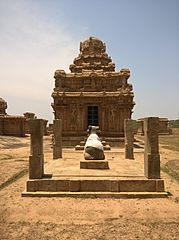
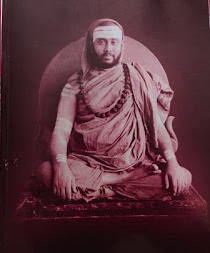
1) Burial of Shtoola/Physical body alive (Jiva Samadhi) or after attaining Nirvikalpa Samadhi state or death of causal body / karana sareera and then consecration of Linga / Brindavan (like HH Raghavendra / HH Ramanuja / Kanchi His Holiness Mahaperiyavar)


2) Even after cremation/burial/leaving to nature of Sthoola body (non-sannyasis or siddhas / ascetics in unsuitable places), they perform prana pratishta (soul transformation to a cosmic body) in the place where the Sthoola body lived, and keep the body consecrated in a tree / jyothi or agni or deepam / idol / linga / spatika / spatika idol.

Ascetics who lived as Deva Srushtis consecrate themselves in a Linga or Sukshma / Akasa Linga to continue their Deva life (to complete the task). Their causal body, causal power and life force (Sathu + Chitthu/Sitthu + Anandam) were consecrated by our ancestors... (Tirumala, Sabari Hill or like Vijayalaya Chozheeswaram)


3) They will consecrate it as Yantra (machine/tool)/Beejam (sound seed) in a Peedam with prayer and japa mala/yogic beads, Yoga Danda/ark, Tribal clan attire, Yoga asana made of wood or skin etc. (eg Sabari Hill - Ponnambala Medu / Chidambaram etc.)


Jeeva Samadhi is often consecrated / built on the beach / hilltop / river banks or tirthas. Wherever Purusha + Prakruti sambandha and separation (soul transformation to cosmic body) can be conducted naturally, jiva samadhi is thus convenient for making the way out/in with reason many times!! (Like HH Sadasiva Brahmendra / HH Raghavendra swami / Sringeri His Holiness Chandrasekhara Bharathi)


Tatvamasi. Sivoham. Hari Om

(to be continued)

Saturday, July 2, 2022

பிராணப்பிரதிஷ்டை- உயிர்நிலை கடவு அல்லது கடத்தல் / கூடு பாய்தல் - பாகம் 1

பித்ருக்களை கரை ஏற்றுதல் என்ற தலைப்பில் முன் எழுதி இருந்தேன். இவை சார்ந்த சான்றுகள் / ப்ரமாணங்கள் (proof) நடுகற்களாகவும், கல் தூண்களாகவும் மனிதன் வாழ்நாள் தொட்டு (2,00,000 ஆண்டு) கிடைக்கிறது. 


ஒரு நாளில் (2,00,000 ஆண்டுகளின் நடுவில், சுமார் 15000-21000 ஆண்டுகள் முன்னர்), தேவர்களின் துணையால், அவர்தம் அளித்த வேத விஞ்ஞானத்தை உபயோகப்படுத்தி ( உப + யோகம் ), பித்ருக்களை அவர் யோக நிலையை அடையுமிடத்து, திரும்பவும் வேறு பூத உடல் தரித்து வருவார் என்று நம்பி அவர்தம் பூத உடலை பதப்படுத்தி யோக நிலையில் சமாதி கோயிலாக கட்ட தொடங்கினர். இதன் உதாரணம் எகிப்திலும், மாயா நாகரிக கோயில்களிலும் நன்றாகவே காணக்கிடைக்கிறது..


இந்தியாவில் / பாரதத்தில், யாவரும் அறியும் வண்ணம் இந்த தெய்வக்கலையை, யாவருக்கும் பயிற்று வித்தனர்.


"தெய்வம் ஆயினர்!!!"


தெய்வம் ஆயினர் / தெய்வம் ஆகி விட்டார் என்று அறிந்தபோது, மூன்று விதமாக சமாதி கோயில் கட்டினர்.


1) பூத உடலை உயிருடனோ (ஜீவ சமாதி ) அல்லது சமாதி நிலை அடைந்த பின்னரோ அடக்கம் செய்வது பின்னர் லிங்கமோ / பிருந்தாவனமோ பிரதிஷ்டை செய்வது (ராகவேந்திரர் / ராமானுஜர் / மஹாபெரியவர் போன்று )


2) பூத உடலை எரித்த பின்னரும் (சன்னியாசிகள் அல்லாதோர்  அல்லது சூழ்நிலை சரியில்லாத இடத்து சித்தர் / தவசிகள் தம்மை ), அவர்தம் பூத சரீரம் வாழ்ந்த இடத்தில், சூக்ஷ்ம முகமாக, ப்ராண பிரதிஷ்டை (உயிர்நிலை கடவு அல்லது கடத்தல் / கூடு பாய்தல்) செய்வித்து மரத்திலோ / பிம்பத்திலோ / லிங்கத்திலோ அவ்வுயிரை நிலை நிறுத்தி விடுவர்.

தேவ ஸ்ருஷ்டிகளாக வாழ்ந்த தவசி தம்மை அவர்தம் தேவ வாழ்க்கை தொடர (பணி முடிக்க), அவர்தம் காரண உடல், காரண சக்தி மற்றும் ஜீவ உயிர் (சத்து + சித்து +ஆனந்தம்) ஆகியவற்றை ஒரு லிங்கத்திலோ அல்லது சூக்ஷ்ம / ஆகாச லிங்கமாகவோ பிரதிஷ்டை செய்து விடுவர், முன்னோர்கள்...(சபரி மலை / விஜயாலய சோழீஸ்வரம் போன்று )


3) அவர்தம் ஜெப மாலை, யோக தண்டம், மரவுரி, யோகாசனம் போன்றவற்றை வைத்தும் பீடத்தில் யந்திரமாகவோ (machine / tool ) / பீஜமாகவோ (sound seed) பிரதிஷ்டை செய்து விடுவர். (உதாரணம் சபரி மலை - பொன்னம்பல மேடு  / சிதம்பரம் போன்றவை)


ஜீவ சமாதி பெரும்பாலும் கடற்கரையிலோ / மலை முகட்டிலோ / நதி தீர்த்தங்களிலோ கட்டப்படும். புருஷ + ப்ரக்ருதி சம்பந்தமும், பிரிவும் (உயிர்நிலை கடவு அல்லது கடத்தல் / கூடு பாய்தல்) எங்கு இயல்பாக நடத்தமுடியுமோ, பல தடவைகள் காரணத்துடன் வெளி சென்று / உட்புகும் வழியை ஏற்படுத்துவதற்காக ஜீவ சமாதி ஆயினர் பெரியோர்!! (சதாசிவ ப்ரஹ்ம இந்திரர் / ராகவ இந்திரர் /சிருங்கேரி சந்திரசேகர பாரதி  போன்று )


தத்வமஸி. சிவோஹம். ஹரி ஓம் 


(தொடரும்)


https://en.wikipedia.org/wiki/Vijayalaya_Choleeswaram

https://en.wikipedia.org/wiki/Ponnambalamedu


Ponnambalamedu, Sabarimala, Kerala
Located at a distance of 4km from the famous Sabarimala Ayyappan temple at an altitude of 1170m Ponnambalamedu hill is in the Goodricke range of the Ranni forest division of Kerala state. The holy Makarajyothi is seen at Ponnambalamedu on January 14 or 15, Makaravillaku refers to the ritualistic lighting of the holy flame atop the mountain during the annual festival of Sabarimala. It marks the final phase of the pilgrimage season of Sabarimala which lasts about two months. The flame is lighted at the time of of Deeparathnana at the temple. The scene of lighting the flame is about 15km from Sabarimala Sannidhanam. It is a vast grassy area with a grove of trees and a pond thus making it truly a scenic place. It is believed that Lord Parasurama built a temple in the hill and this was known as Ponnambalamedu Temple.
Ponnambalamedu name derived from Malayalam words Ponnu (gold), ambalam (temple), medu (hill). As per the legend Lord Parasurama built a temple for Lord Dharmasastha and it was made of Gold . It is the Adhi Moolasthanam , the original abode of Lord Ayyappa. He also made a pond named Seethakulam here. In ancient times, the people used to celebrate Makara Samkaramam in the temple pond. This celebration is now known as Makaravilakku .There is also belief that Makara Jyothi is also appears in the sky just above the temple and it is lighted by the “Goddess of the forest”
The shrine was created after Ayyappa annihilated Mahishi and Dharma was restored on earth. As per belief, the moorthy of Lord Maha Sastha installed here was with Poorna Pushkala . The area was then known as Srimoolam Kavu.
As per one belief, the temple was accessible only to Yogis. Ayyappa later asked a temple to be built in an area which was accessible to all people. It was built on Mahayogapeetam of the Garudadri hill. This later came to be known as Sabarimala.
The original temple at Ponnambalamedu was later destroyed. But tribals used to still perform worship here. The annual Makaravilakku is performed here in memory of this event.
In Bhavishya Purana this was called Kanthamalai. Sree Dharma Shasta is the major deity of the temple and custodian of eternal virtues of Sathya, Dharma and Neethi (justice) and sits on Ardha padmasana with his trident in a powerful form. This form provides relief to janmadosha, Aayur dosham, and other doshams related to Aabicharams
In yogic terms this place is called Saharara. It is the last milestone of the evolution of human awareness. Also called Brahmarandhra, it is the final destination of the Kundalini and immortality is achieved within Sahasrara Chakra.